Many facility managers struggle with a specific tension: how do you keep tanks and digesters clean without shutting down operations? EPA's own Clean Watersheds Needs Survey pegs the infrastructure gap at $630 billion over the next 20 years. That number reflects pipes and plants, but it also hints at a system under constant strain.
This article covers what wastewater treatment actually involves, the stages water passes through, the main treatment types, what it costs, and the safety questions facility operators ask most.
Key Takeaways
- Effective treatment removes physical, chemical, and biological contaminants before discharge or reuse
- Multi-stage trains—preliminary through tertiary or disinfection—set final water quality and compliance
- Plant capacity, technology choice, and local energy and labor rates drive total treatment cost
- Tank and digester maintenance directly affects biogas output, efficiency, and worker safety
What Is Wastewater Treatment?
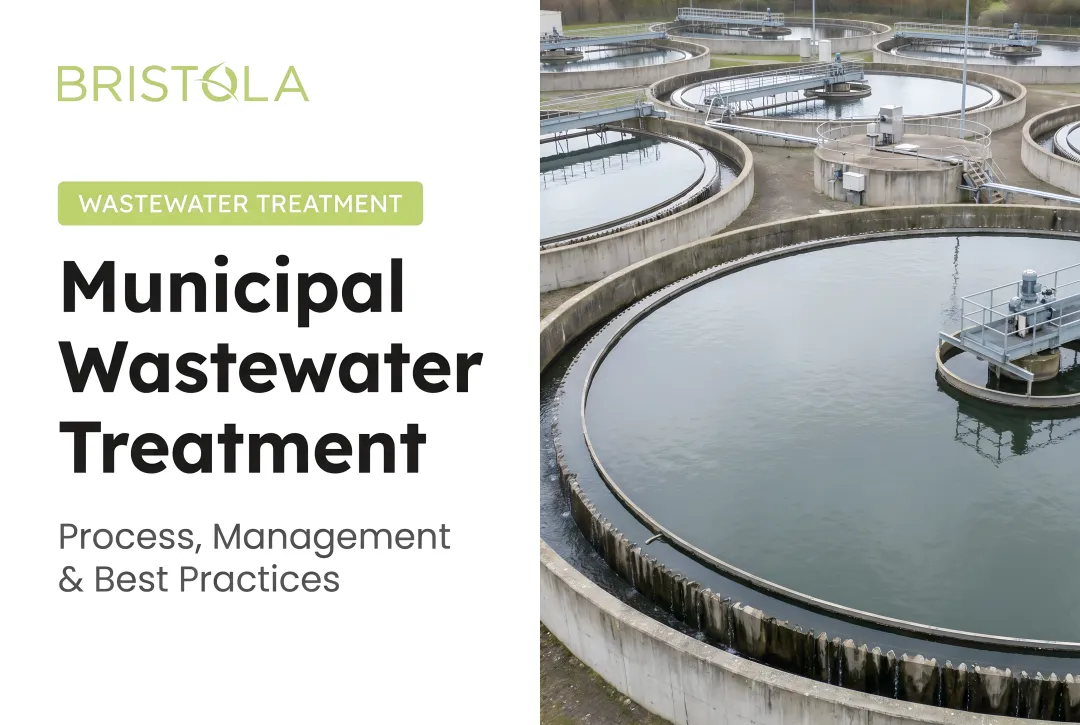
Wastewater treatment is a set of physical, biological, and chemical processes designed to remove solids, organic pollutants, nutrients, and pathogens before water is discharged or reused. It's distinct from drinking water treatment, which purifies water for consumption rather than for safe release.
Wastewater comes from several sources:
- Residential — sinks, toilets, showers, laundry
- Commercial — restaurants, offices, retail facilities
- Industrial — food processing, refineries, manufacturing
- Stormwater — runoff that carries oil, debris, and chemicals into sewer systems
Treatment matters because untreated discharge threatens public health and aquatic ecosystems.
The Clean Water Act makes it illegal to discharge pollutants into US waters without a permit, and EPA's NPDES program enforces those limits. Secondary treatment is the legal minimum standard for municipal plants.
What Are the Stages of Wastewater Treatment?
Preliminary and Primary Treatment
Screening comes first. Bar screens and grit chambers remove large debris — rags, sticks, sand — protecting pumps and downstream equipment from damage.
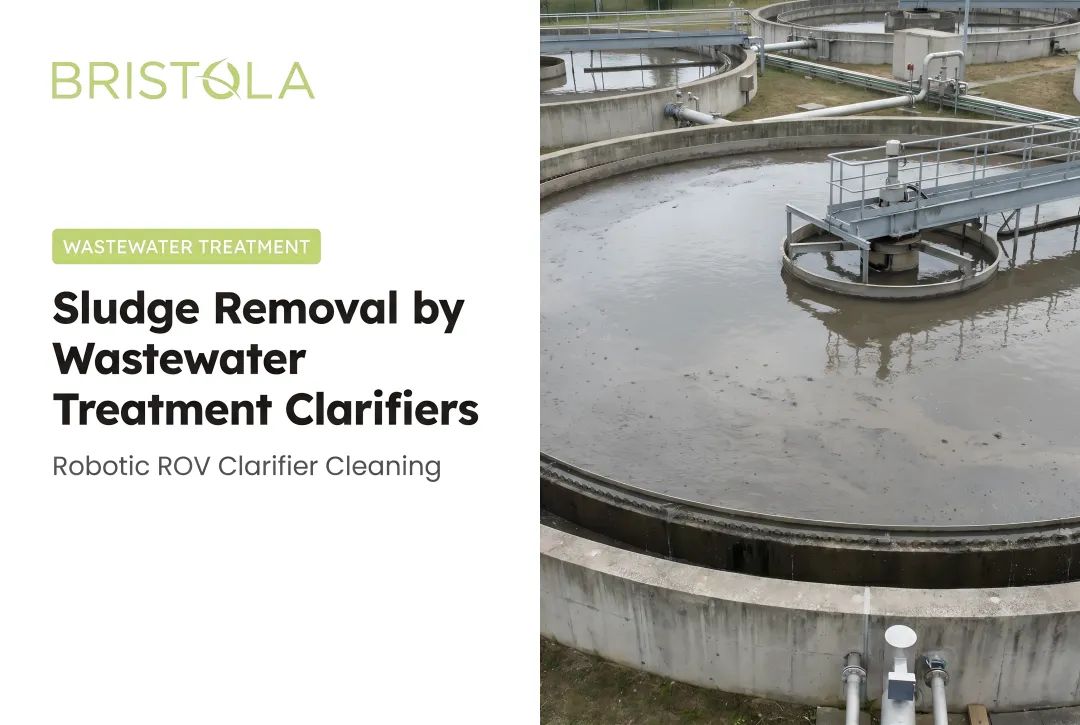
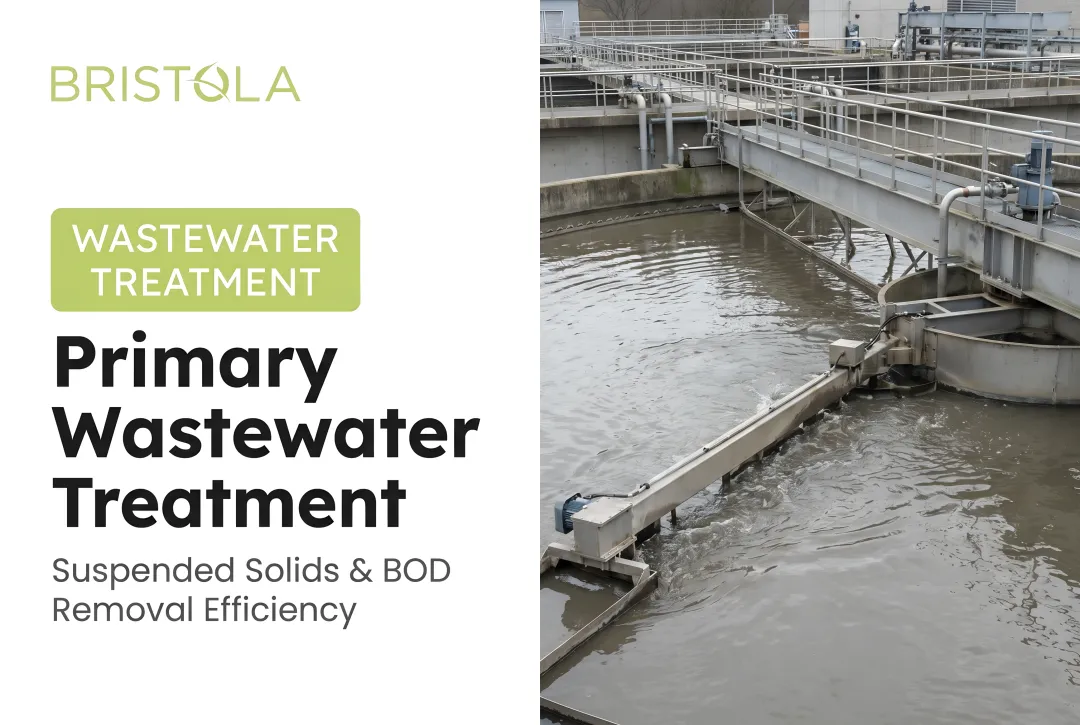
Primary treatment follows in sedimentation tanks. Solids settle to the bottom as sludge while grease and oils float to the surface for skimming. This step alone removes a significant chunk of suspended material before biological treatment even starts.

Secondary Treatment
This is where biology does the heavy lifting. Wastewater flows into aeration tanks where naturally occurring bacteria consume dissolved organic matter. As bacteria multiply, they clump into floc — visible particles that settle in a secondary clarifier:
- Bacteria consume dissolved organics in aerated tanks
- Floc forms and settles, separating cleaner water from biosolids
- Clarified effluent meets the federal minimum for municipal discharge
When discharge limits or reuse goals go beyond that baseline, plants add tertiary treatment.
Tertiary Treatment and Disinfection
Some facilities need water quality beyond secondary treatment. Advanced filtration — sand filters or membrane systems — removes remaining fine particles and nutrients like nitrogen and phosphorus.
Disinfection is the final barrier before discharge, typically through:
- Chlorination — conventional, cost-effective pathogen control
- UV light — deactivates pathogens without adding chemicals
Sludge and Biosolids Digestion
Solids collected throughout the process get further broken down in digester tanks. Anaerobic digestion stabilizes organic matter, reduces pathogens and odors, and shrinks total solids volume. Retention times vary by system design; some technical literature cites 20-30 days as common in anaerobic processes, though this isn't a universal regulatory requirement.
Digested biosolids typically go to landfill or get processed into soil conditioner for agricultural use.

What Are the Main Types of Wastewater Treatment?
Facilities combine several treatment approaches based on influent load and discharge requirements.
Biological methods:
- Aerobic treatment aerates wastewater so oxygen-loving microorganisms break down organics
- Anaerobic digestion works without oxygen, commonly used for solids stabilization and biogas capture
Physical methods:
- Sedimentation separates particles by gravity
- Filtration removes suspended solids through granular media
- Aeration mixes air into water to support biological activity
Chemical methods:
- Coagulation and flocculation clump fine particles for easier removal
- Chlorination disinfects treated effluent before discharge
- Neutralization adjusts pH before discharge
Emerging technologies documented in EPA's Industrial Wastewater Treatment Technology Database include microfiltration, ultrafiltration, reverse osmosis, and advanced oxidation — processes capable of removing particles down to 1 nanometer in some configurations.
Municipal plants and industrial sites—food processing, anaerobic digesters, refineries—build different trains for a reason. Influent chemistry and permit limits dictate the mix.
Maintenance and Safety Challenges in Wastewater Facilities
Tanks, digesters, and covered lagoons all accumulate sludge over time. Left unchecked, buildup reduces treatment efficiency, damages equipment, and can drop biogas output substantially at digester facilities.
Traditional cleaning means human entry into confined spaces. That work is dangerous. The Bureau of Labor Statistics recorded 1,030 worker deaths involving confined spaces between 2011 and 2018.
OSHA separately reports 46 hydrogen sulfide deaths over a similar period, with sewers and manholes flagged as common accumulation points for this toxic, flammable gas.
Beyond the safety risk, conventional cleanouts force facilities offline. Draining a tank, removing the roof, and using cranes and clamshells to remove sludge can take 12 days or more for a large digester — all while production and revenue stop.
Bristola's zero-human-entry robotic cleaning system addresses both problems at once. Its patented equalization chamber acts as an airlock, so a submersible ROV can enter a tank or covered lagoon through an existing manhole (24 inches or larger) without draining the vessel or sending a worker inside.
The robot navigates to the tank floor, removes sludge through a flexible hose, and the facility keeps running throughout the cleanout.
For wastewater and water treatment operators, this translates to:
- No confined-space entry risk for cleaning crews
- No production shutdown during routine maintenance
- Sonar-based sediment mapping and condition reporting during each cleaning cycle
One documented case involved a 1.2-million-gallon anaerobic digester that hadn't been cleaned in over four years. Volatile-solids reduction had dropped below 25%, mesophilic temperature could not be held, and biogas production had fallen 20%. Routine cleaning without shutdown is meant to stop that slide before efficiency, temperature stability, and gas output erode together.

How Much Does It Cost to Treat Wastewater?
There's no single, current national price per gallon that fairly represents both municipal and industrial treatment. Cost depends on:
- Plant capacity and daily flow
- Treatment technology and required discharge quality
- Local labor, chemical, and energy rates
- Solids processing and disposal requirements
Municipal costs typically get passed through to residents via utility bills. Industrial facilities, by contrast, bear treatment costs directly, and those costs scale with contaminant complexity and monitoring requirements.
Maintenance is a hidden line item many facilities underbudget. One cost comparison estimates traditional confined-space cleaning at roughly $250,000 annually per tank, factoring in direct cleaning costs, lost production revenue, and chemical treatment expenses.
A zero-human-entry robotic alternative runs about $170,000 annually. That $80,000 per tank per year gap comes largely from eliminated downtime and reduced labor risk.

Facilities budgeting for wastewater treatment should account for cleaning frequency and method just as carefully as they do for chemicals and energy.
Is Treated Wastewater Safe to Drink?
Most treated wastewater isn't intended for drinking. It's reused for irrigation, industrial cooling, and other non-potable applications. Turning it into drinking water requires additional, heavily monitored purification.
Advanced potable reuse typically layers multiple barriers:
- Microfiltration or ultrafiltration — removes fine particles
- Reverse osmosis — strips dissolved contaminants at the molecular level
- UV disinfection with advanced oxidation — deactivates remaining pathogens
Several U.S. facilities already produce drinking-quality water this way:
- Orange County's Groundwater Replenishment System produces 130 million gallons daily via microfiltration, reverse osmosis, and UV/peroxide (indirect potable reuse)
- Big Spring, Texas runs the nation's first direct potable reuse plant, blending purified water 50/50 with raw water before conventional treatment
- El Paso is building a similar direct reuse facility, with completion targeted around 2029

The EPA is clear: no single treatment step handles potable reuse alone. It always requires a validated, multi-barrier approach.
Frequently Asked Questions
What is wastewater treatment?
It's a sequence of physical, biological, and chemical processes that remove solids, organic pollutants, and pathogens before water is discharged or reused. It's regulated under the Clean Water Act.
What are the stages of wastewater treatment?
Wastewater moves through preliminary screening, primary sedimentation, secondary biological treatment, and often tertiary filtration with disinfection. Solids are separately processed through digestion.
What are the main types of wastewater treatment?
The three core categories are biological (aerobic/anaerobic), physical (sedimentation, filtration), and chemical (coagulation, chlorination, neutralization). Facilities usually combine several based on their discharge requirements.
How much does it cost to treat wastewater?
Cost depends on plant size, treatment technology, and local energy/labor rates — there's no single national per-gallon figure. Ongoing maintenance, like tank and digester cleaning, adds a significant and often underbudgeted cost.
How do you remove sludge from wastewater?
Sludge settles out in primary and secondary clarifiers, then gets further broken down in anaerobic digesters over an extended retention period. Robotic cleaning systems can also remove accumulated sludge from tanks and lagoons without draining them.
Is it safe to drink treated wastewater?
Standard treated effluent is not drinking water. Making it potable requires additional multi-barrier purification like reverse osmosis and UV/advanced oxidation, used in regulated reuse programs like those in Orange County and Big Spring, Texas.