"Cleaning a tank" sounds like a simple maintenance task. It isn't. Results depend heavily on sludge composition, tank design, the equipment on hand, and whether anyone has to physically climb inside. A hardened, years-old layer behaves nothing like a fresh, loose one.
This article walks through the full cleaning process step by step: when cleaning is actually needed, what preparation looks like, the variables that determine your results, common mistakes to avoid, and safer alternatives like zero-entry robotic systems.
TL;DR
- Sludge cleaning covers assessment, mobilization, extraction, and separation into oil, water, and solids
- Traditional methods need confined-space entry, full shutdown, plus real safety and downtime costs
- Robotic no-entry systems clean tanks in service and recover hydrocarbons without draining
- Results hinge on sludge depth, composition, and equipment selection
- The right method balances recovery value, worker safety, and acceptable downtime
How to Clean Tank Bottom Sludge: Step-by-Step Process
Step 1: Assess Sludge Depth and Composition
Before touching any equipment, measure the sludge layer thickness and estimate the oil-water-solids ratio. This determines everything downstream, from equipment choice to disposal planning.
A 2023 field study on a 34-meter-diameter aboveground storage tank found the sludge-oil interface sitting 27 cm above the tank floor (ScienceDirect, 2023).
Based on that tank's footprint (roughly 908 m²), a 1-meter sludge layer can consume close to 908 m³ of gross volume, or about 240,000 US gallons. Actual usable capacity lost still varies with tank geometry and bottom profile.

Oil content also varies widely by source. One 2017 study of petroleum tank-bottom sludge measured 25.8% oil, 9.8% water, and 64.4% solids by mass (ScienceDirect, 2017). Other published samples range from 5-60% oil depending on origin. There's no universal number. Lab characterization of your specific sludge is the only reliable path.
Bristola's sonar- and GPS-based 3D sediment mapping helps operators measure and track accumulation in tanks, ponds, and lagoons so cleaning is timed on data, not estimates.
Step 2: Select and Prepare Cleaning Equipment
Your equipment choice depends on sludge hardness and accessibility:
- Vacuum trucks: suited to looser, pumpable sludge
- Agitation/jetting systems: break up compacted layers before extraction
- Robotic crawler or submersible units: built for tanks that can't or shouldn't go offline
If human entry is planned, the tank atmosphere must be purged and inerted, and confined space protocols kick in. That's a major operational lift.
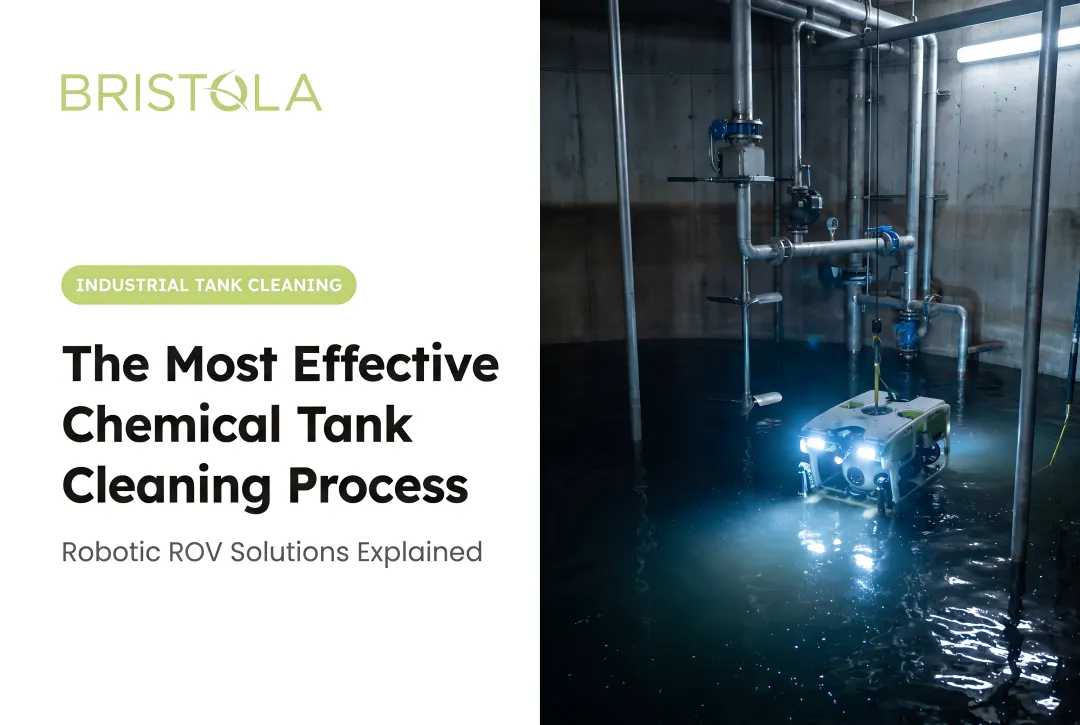
Zero-entry systems skip that work. Bristola's patented equalization chamber entry portal installs over an existing manhole (24 inches in diameter or greater) and lets a remotely controlled submersible robot enter while the tank stays full and in production—no purging, no draining, and no crew inside the tank.

Step 3: Mobilize and Extract the Sludge
Hardened or compacted sludge usually needs agitation or jetting before it can move. Once mobilized, it's vacuumed or pumped through closed lines to a separation unit.
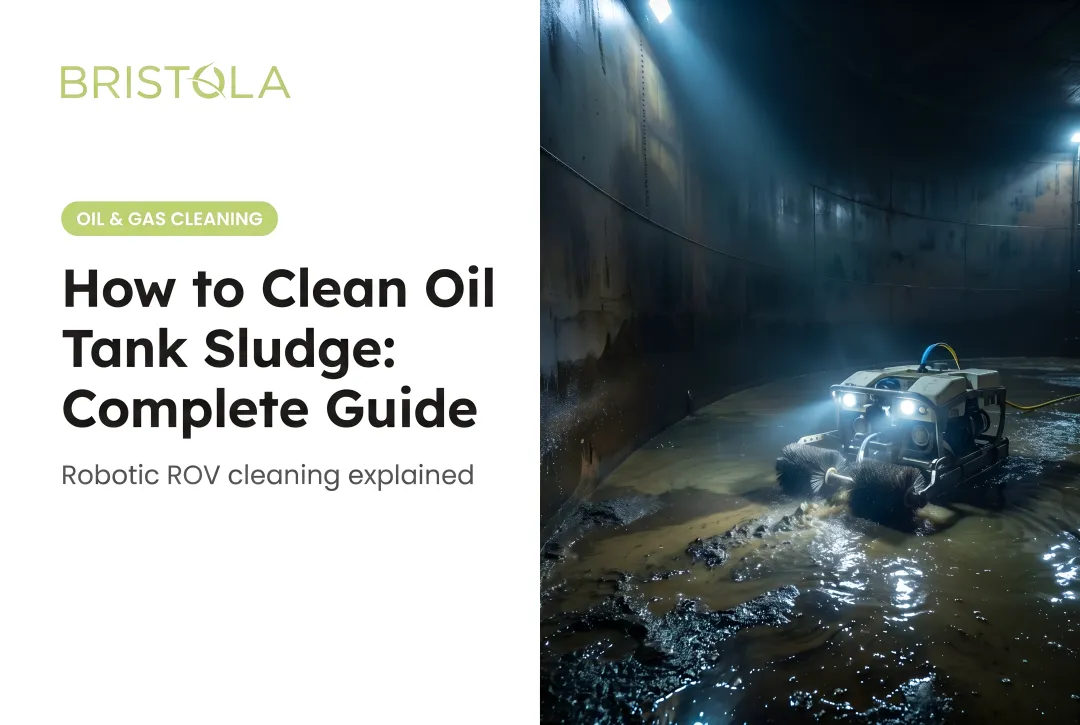
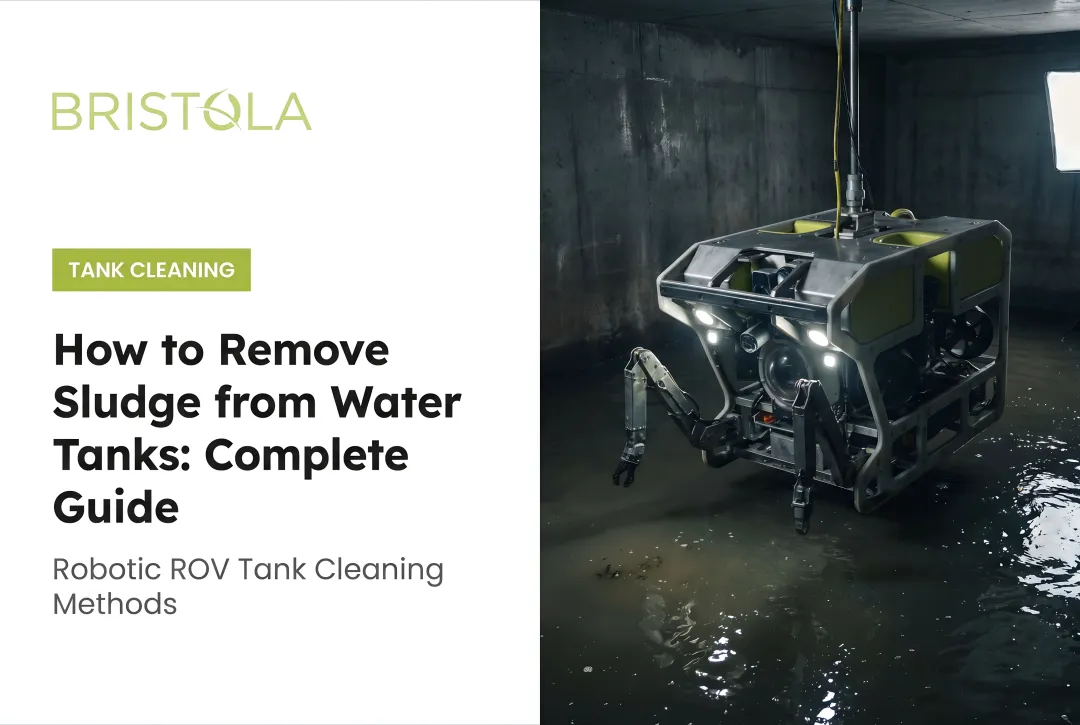
Robotic systems change the sequence. Bristola's remotely operated vehicle enters through the equalization chamber, descends by winch to the tank floor, and moves sludge through a flexible hose to the operator's chosen processing setup. The tank stays filled and the facility keeps running. In one documented case, this approach produced an estimated $80,000 annual saving per tank versus traditional cleaning ($170,000 versus $250,000 annualized).
Step 4: Separate and Dispose/Recover Products
Extracted sludge still needs to be split into oil, water, and solids using centrifuges, clarifiers, or oil-water separators. Hazardous solid residue must then be handled and disposed of according to regulatory requirements.
Recovered oil can offset the entire cost of the cleaning job. A well-known Mobil crude-tank case reported recovering 37,300 barrels of oil from a tank holding 58,000 barrels of sludge with roughly 70% recoverable hydrocarbon content (Oil & Gas Journal, 1993). Results like that turn a cost center into partial revenue recovery.

When Should You Clean Tank Bottom Sludge?
Cleaning frequency should track accumulation rate, not a fixed calendar. That said, several forces set the outer limits:
- Regulatory inspection intervals — SPCC rules (40 CFR 112.8) require regular integrity inspections, and states like Pennsylvania mandate bottom-thickness checks within 10 years of installation
- Warning signs — reduced storage capacity, inconsistent level readings, or product quality problems
- Facility type — anaerobic digesters and biogas plants often need more frequent attention due to organic buildup
EPA guidance has historically pointed to roughly every 2–3 years for digesters, though real-world intervals range from every other year to nearly two decades.
Bristola's guidance to clients is condition-based: sonar sediment mapping tracks accumulation over time so cleaning is triggered by measured buildup, not a calendar guess.
What You Need Before Cleaning Tank Bottom Sludge
Preparation determines both safety outcomes and job efficiency.
Equipment and System Requirements
Match your equipment to the sludge you're dealing with:
- Vacuum capacity sized to sludge viscosity
- Entry port compatibility (Bristola's system works with manholes 24 inches or larger)
- Hose and pipe sizing that won't clog on thicker material
Safety and Compliance Readiness
Traditional entry methods require confined space permits, gas monitoring, and strict adherence to OSHA tank-cleaning work activity rules. That includes atmospheric testing and a harness with retrieval line for anyone entering.
No-entry systems reduce this burden but don't eliminate it. Even with Bristola's zero-entry setup, crews still install the entry portal and connect hardware. At existing facilities, heavy legacy sediment may need clearing before the permanent system is installed.
Key Parameters That Affect Cleaning Results
Outcomes come down to a handful of controllable variables, not just which vendor you hire.
Sludge viscosity and hardness determine whether agitation or heating is needed before extraction. Hardened sludge clogs pumps and drags down recovery rates. This is the single biggest cause of mid-job equipment failure.
Tank accessibility and design affect which equipment even fits. Entry port location and tank geometry can rule out certain systems entirely. Poor access means longer timelines and higher costs.
Oil content percentage shapes the economics. Higher oil content means better recovery value, which justifies investing in more thorough separation equipment. Published ranges vary from about 5% to 60% oil by mass depending on sludge origin. Refinery sludge, oil-water separator sludge, and drilling waste all look different.
Downtime tolerance decides your method category. If a shutdown is unacceptable, in-service methods like robotic cleaning or crude oil washing are the only real options. Unnecessary downtime hits production and revenue directly.

Common Mistakes When Cleaning Tank Bottom Sludge
Most sludge cleanouts go sideways for the same few reasons. Avoid these mistakes:
- Skipping the depth/composition assessment and picking equipment based on guesswork
- Sending personnel into confined spaces without adequate gas testing or standby rescue — BLS recorded 1,030 confined-space occupational deaths from 2011-2018 (BLS, 2020)
- Underestimating hardened, compacted sludge, which clogs pumps mid-job and stalls the operation
- Treating the job purely as a disposal cost and ignoring recoverable oil value that could offset a significant chunk of the bill
Alternatives to Traditional Manual Tank Cleaning
Manual mucking isn't always the safest or most cost-effective option. Weigh these three alternatives on recovery rate, worker exposure, and downtime.
Chemical/Solvent Cleaning
Best for: lighter sludge deposits, or as pre-treatment before mechanical removal.
Trade-off: hydrocarbon recovery varies widely—one 2010 study measured only 23–32%—and final cleanup often still needs human entry.
Robotic Zero-Entry Cleaning
Best for: sites that put worker safety and uptime first.
Bristola’s remote-controlled submersible system removes sludge while a tank or covered lagoon stays full and online. The unit enters through a patented equalization chamber portal, so no confined-space entry is required.
Upfront technology and installation cost more than a one-off manual job. Documented returns versus traditional methods on a five-year cleaning cycle include:
- 20-year system life
- $80,000 in annual savings per tank
- No production stop or temporary storage for drain-down
Crude Oil Washing (COW)
Best for: ongoing capacity maintenance before sludge heavily compacts.
The IMO notes crude oil’s own solvent action makes COW more effective than water alone.
Trade-off: years-old, hardened deposits usually need mechanical breakdown first.
Conclusion
Effective tank bottom sludge cleaning comes down to three things: accurate assessment, the right equipment for the sludge you actually have, and proper safety preparation. Most failed jobs trace back to underestimating sludge hardness or cutting corners on prep.
Those same risks explain why more facilities choose zero-entry, no-downtime solutions. Bristola founder Jared Burma built the company's robotic system after a near-death experience inside a tank, a firsthand reminder that eliminating human entry matters as much as eliminating downtime.
Frequently Asked Questions
What is the best sludge treatment for oil tanks?
It depends on sludge composition and how much downtime you can tolerate. Zero-entry robotic systems are gaining ground because they combine worker safety with the ability to clean while the tank stays in service.
How often should tank bottom sludge be removed?
It varies by accumulation rate and regulatory inspection schedule, generally ranging from every few years to a decade depending on facility type and sludge source.
Is tank bottom sludge hazardous waste?
Often, yes. It frequently contains heavy metals and hydrocarbons. Under EPA rules, listings such as K051 (API separator sludge) and K052 (leaded tank bottoms) can apply, and generators must determine hazardous waste status at the point of generation.
Can sludge cleaning be done without emptying the tank?
Yes. Robotic systems and crude oil washing both allow cleaning while the tank stays filled and operational, avoiding the revenue loss tied to a full shutdown.
How much oil can be recovered from tank bottom sludge?
Recovery rates vary widely by method and sludge type. A 2026 peer-reviewed study found a mean recovery of 27.4%, with highs of 98.2% under optimized conditions. One industry case recovered roughly 70% of available hydrocarbons.
What industries require the most frequent tank sludge cleaning?
Anaerobic digesters, refineries, and food/beverage processing facilities tend to see faster buildup from organic or particulate-heavy inputs. Base cleaning frequency on measured accumulation, not industry averages.