What does wastewater treatment plant maintenance include?
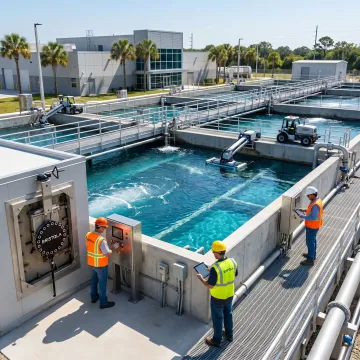
Wastewater treatment plant maintenance typically includes tank and digester cleaning, sludge and sediment assessment, equipment access improvements, preventive maintenance planning, and repairs that support reliable operation. For facilities with lagoons or digesters, it can also include mapping buildup, retrofitting access points, and coordinating cleanouts without unnecessary shutdowns. The goal is to improve safety, preserve capacity, and reduce unplanned downtime.
Can wastewater tanks be cleaned without sending workers inside?
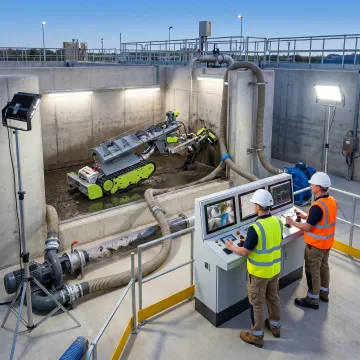
Yes. Bristola uses a patented zero-human-entry robotic cleaning system that allows tanks and certain covered lagoons to be cleaned without placing workers inside confined spaces. The system is remotely operated and designed to remove sludge while reducing exposure to hazardous conditions. In many applications, cleaning can be performed while the asset remains in service, which helps protect both safety and uptime.
How often should a wastewater treatment plant schedule maintenance?
Maintenance frequency depends on tank size, solids loading, process conditions, and asset type, but most facilities benefit from a structured preventive maintenance plan rather than waiting for severe buildup. Regular inspections, sediment mapping, and performance reviews help identify issues early. For digesters and lagoons, periodic maintenance can prevent capacity loss, reduce emergency shutdown risk, and support more predictable budgeting over the year.
What are the benefits of robotic tank cleaning for wastewater facilities?
Robotic tank cleaning improves safety by reducing confined-space entry, lowers downtime by allowing maintenance during operation in many cases, and helps facilities remove sludge more efficiently. It also supports better long-term asset management when paired with retrofit hardware and repeat service access. For wastewater plants, that means less disruption to treatment processes and fewer operational losses tied to traditional cleanout methods.
Can existing wastewater treatment facilities be retrofitted for future maintenance?
Yes. Existing wastewater facilities can be retrofitted with Bristola’s hardware and system components to support safer, more efficient future cleanings. This may include installing entry portals and related access solutions after an initial cleaning and preparation phase. Retrofitting is especially valuable for plants that want to reduce future shutdowns, improve maintenance access, and create a more repeatable long-term service strategy.
How does sediment mapping help wastewater plant operators?
Sediment mapping gives operators a detailed picture of sludge accumulation, depth, and settlement patterns in noncovered ponds or lagoons. Using sonar, GPS, and 3D rendering, the service helps quantify buildup and identify where conditions are changing. That information supports better dredging forecasts, maintenance budgeting, and operational adjustments, making it easier to address issues before they affect water quality or treatment performance.
Is this service suitable for digesters and covered lagoons?
Yes. Bristola provides maintenance solutions for digesters, covered lagoons, and other liquid storage assets used in wastewater and treatment environments. Services include large-scale digester cleanouts, preventive maintenance planning, robotic cleaning, and retrofit installations. Covered lagoon cleaning is designed to remove accumulated solids while minimizing disruption, and digester projects can also include roof work, mixer coordination, and internal cleaning support.
Why is specialized maintenance important for wastewater facilities in Tampa, FL?
Tampa facilities often manage high humidity, heavy seasonal rainfall, and demanding year-round operating conditions that can accelerate wear and complicate sludge management. Specialized maintenance helps plants stay ahead of buildup, protect critical infrastructure, and reduce safety risks during service. A lower-downtime approach is especially valuable when treatment continuity matters, storm-related inflow increases pressure on operations, or shutdown windows are limited.