Sludge buildup reduces storage capacity and accelerates corrosion. Add OSHA confined-space rules and EPA hazardous waste requirements, and a structured checklist stops being a nice-to-have. It's the difference between a controlled maintenance job and a safety incident.
This guide walks through pre-cleaning prep, the actual cleaning steps, compliance requirements, and a newer alternative that skips human tank entry altogether.
Key Takeaways
- A full crude oil tank clean runs drain, ventilate, sludge removal, chemical treatment, then inspection before restart
- Confined-space work is dangerous: BLS recorded 1,030 confined-space fatalities across all industries from 2011-2018
- Cleaning frequency depends on oil type, sludge accumulation rate, and inspection schedules like API 653
- Robotic zero-entry systems like Bristola’s clean tanks with no human entry and no production shutdown
Pre-Cleaning Preparation Checklist
Before anyone touches a valve, the tank needs a full survey and isolation plan.
Start with a sludge survey. Estimating sludge volume and depth tells you what kind of cleaning approach you'll need and how long the job will realistically take. Lab analysis of a sludge sample, plus a small-scale treatment simulation, helps confirm the right chemical dosage before you commit to a full-scale process.
Isolate the tank completely:
- Drain recoverable oil to minimize vapor load and product loss
- Disconnect and blind or block all connected piping
- Fully depressurize the vessel before opening any access point
Atmospheric Testing Requirements
Per OSHA 1910.146, a hazardous atmosphere exists when any of these conditions are present:
- Flammable vapor exceeds 10% of the lower flammable limit (LFL)
- Oxygen falls below 19.5% or rises above 23.5%
- H2S meets or exceeds OSHA's 20 ppm ceiling (100 ppm is immediately dangerous to life or health)
Test the atmosphere before opening any access point, and continue monitoring throughout entry.
Assemble equipment before the crew arrives:
- PPE rated for hydrocarbon and toxic gas exposure
- Calibrated gas monitors
- Forced-air ventilation equipment
- Emergency rescue and retrieval gear staged on-site
A signed confined-space or hot work permit must document hazards, isolation steps, and acceptable entry conditions before work begins. Check facility-specific SOPs and any state or local notifications required for crude storage tanks.
Step-by-Step Crude Oil Tank Cleaning Checklist
Once prep is complete, cleaning follows a consistent sequence.
- Drain and vent. Remove remaining oil and ventilate the tank until vapor concentrations drop to safe levels for entry.
- Remove sludge. Mechanical scraping, chemical dissolution, or a hybrid of both extracts heavy hydrocarbon deposits from the tank floor. One documented case found sludge with roughly 70% recoverable hydrocarbons (the rest water and solids), so "waste" sludge often holds real recovery value.
- Apply cleaning chemicals. Degreasers and, where applicable, pickling solutions strip impurities and surface residue from interior walls.
- Water wash. High-pressure rinsing clears remaining film and loosened debris. There's no single industry-wide PSI benchmark for stationary crude tanks, so follow your equipment manufacturer's spec and site procedure rather than a generic number.
- Passivation (if applicable). For stainless components, passivation treatments (often repeated 2-3 times) help remove free iron and reduce future corrosion risk. This applies to stainless surfaces, not every carbon-steel tank.
- Dry, ventilate, inspect. Final drying and a professional inspection confirm the tank is ready before sign-off and return to service.

Mechanical-only cleaning tends to leave recovered oil high in solids and water content. Chemical processes, by contrast, dissolve sludge hydrocarbons more thoroughly and separate them from water downstream.
Safety & Regulatory Compliance Checklist
Confined-space entry is tightly regulated. Under 29 CFR 1910.146, every entry requires:
- A written, signed permit specifying hazards and acceptable entry conditions
- An attendant stationed outside the space for the entire duration of entry
- Continuous atmospheric monitoring, not just a pre-entry check
Hazard checklist to run through before every entry:
- Flammable vapor at or above 10% LFL
- Toxic gases such as H2S or benzene above exposure limits
- Oxygen deficiency or enrichment outside the safe range
- Physical hazards: engulfment, mechanical energy, or live electrical
After entry controls, waste classification is the next compliance gate. Tank bottom sludge is not automatically hazardous waste just because it came from a crude tank.
Under 40 CFR 261.24, run TCLP on a representative sample before you assign a waste code. Benzene’s threshold is 0.5 mg/L.
Document everything. An acceptance report, signed by the responsible parties and covering entry permits, atmospheric readings, and final tank condition, protects you in an audit and supports any future API 653 inspection.

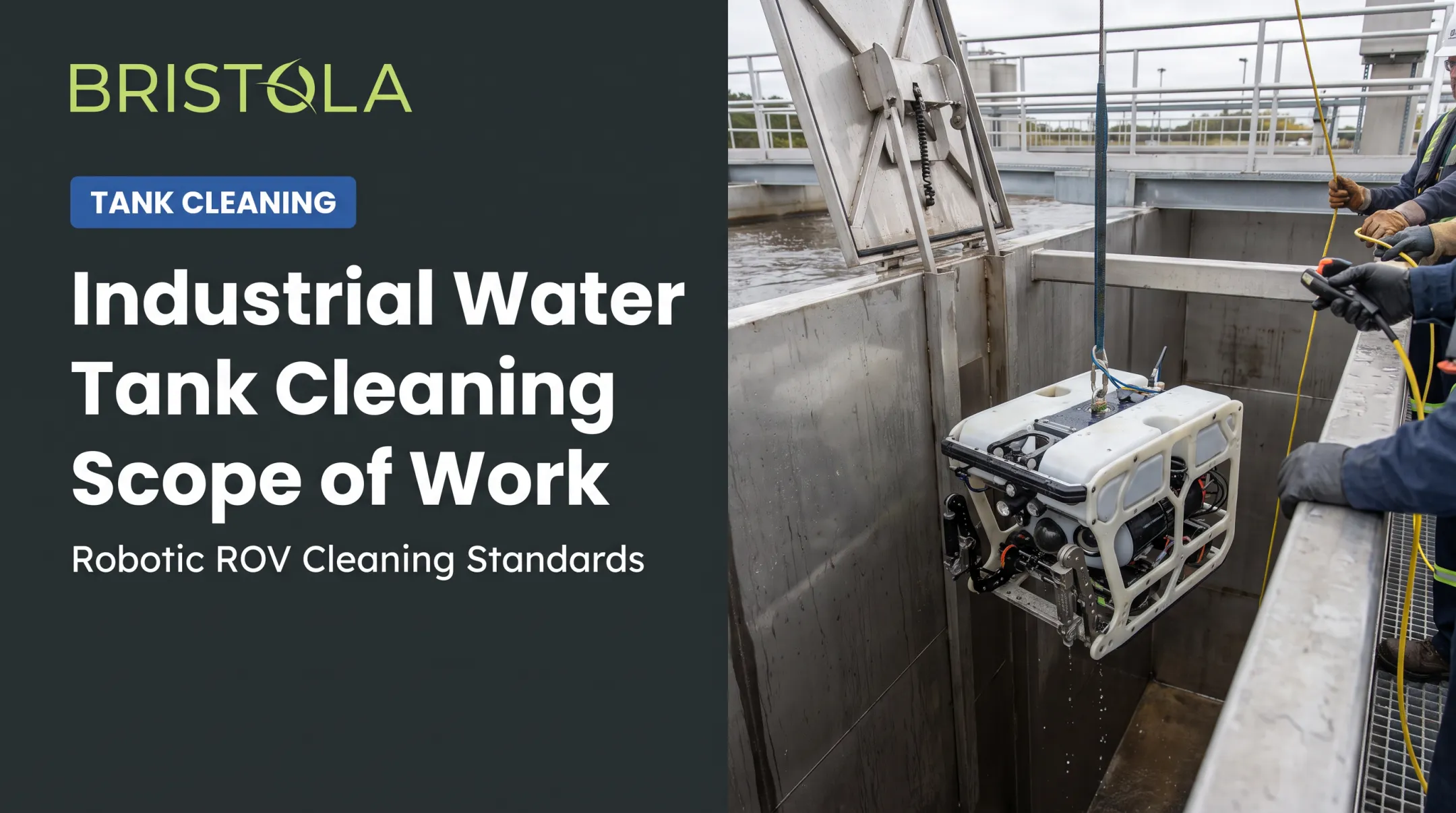
Zero-human-entry robotic cleaning avoids confined-space entry permits entirely by keeping personnel outside the tank.
Traditional vs. Zero-Entry Cleaning Methods
Traditional cleaning has a structural problem: it requires draining the tank, arranging temporary storage for incoming product, and taking the facility offline. One documented case involving a 690,000-barrel tank took 8 days under expedited chemical treatment, though comparable jobs typically run 3-4 weeks.
| Method | Human entry required | Downtime | Recovery notes |
|---|---|---|---|
| Mechanical scraping | Yes | High | Incomplete recovery; oil high in solids/water |
| Chemical treatment | Yes | Moderate-high | Reported up to 99% hydrocarbon recovery in documented cases |
| Robotic zero-entry (Bristola) | No | Minimal to none | Cleans while tank stays operational |

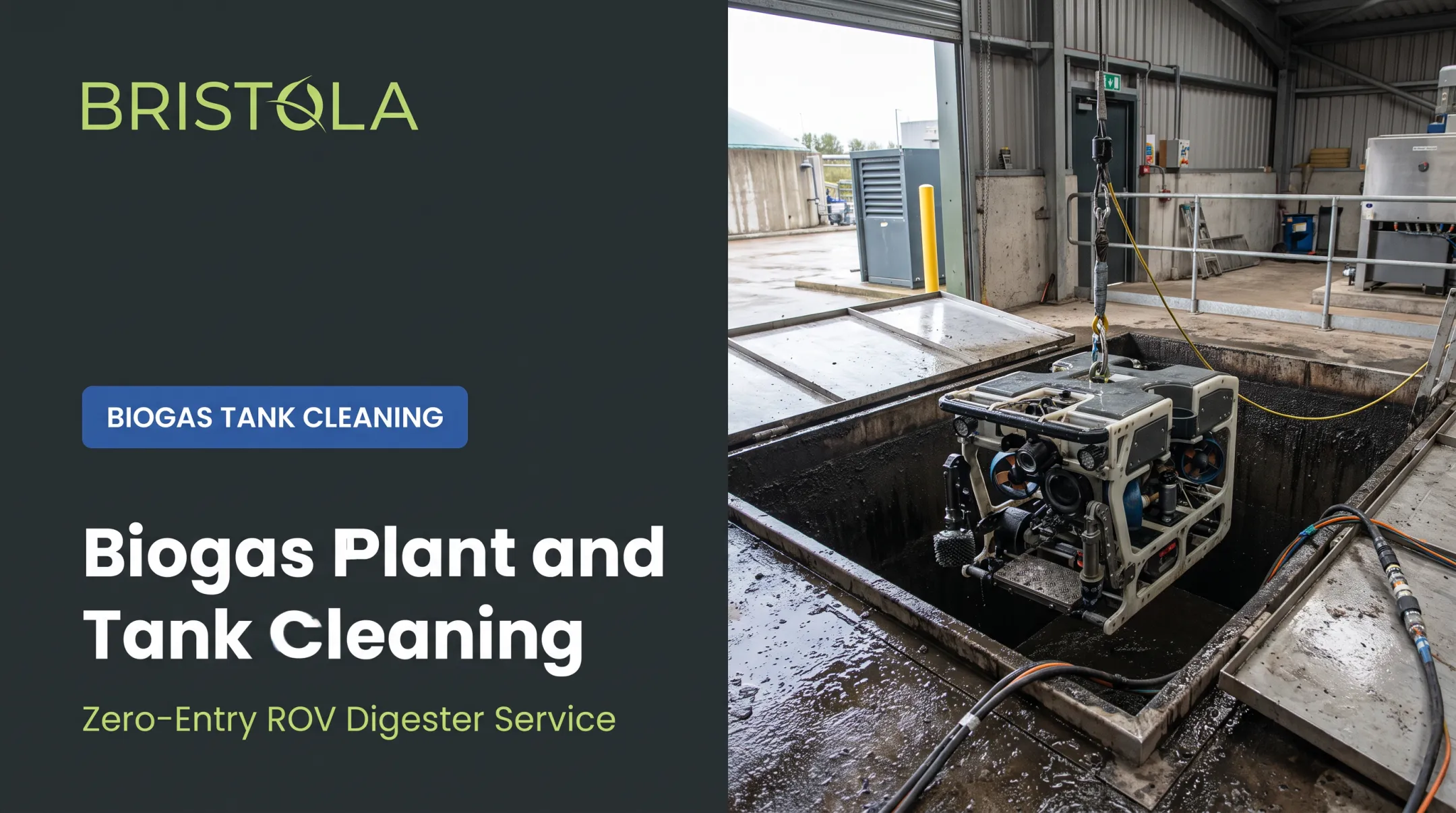
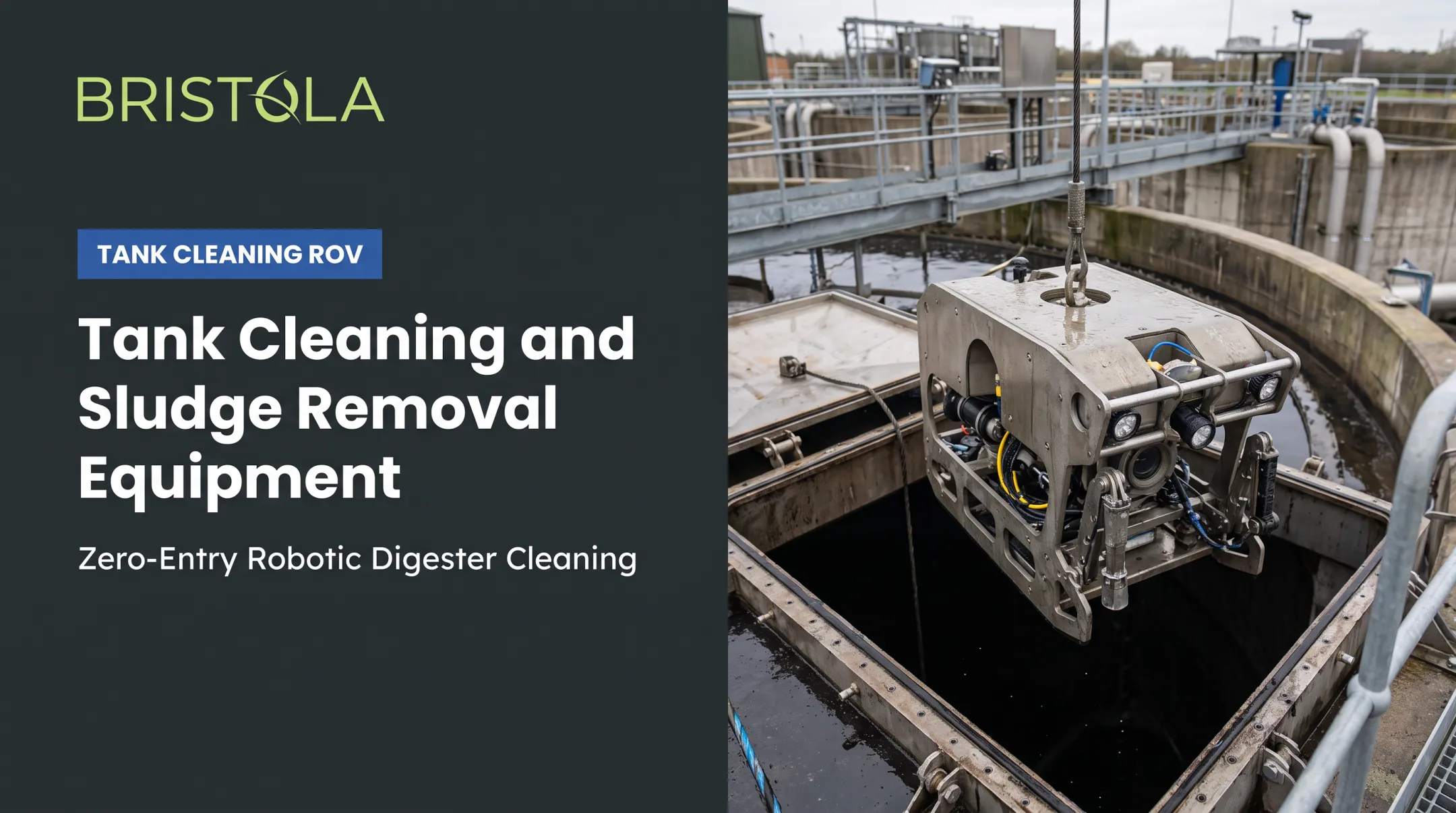
Bristola's approach removes the entry problem entirely. Its patented equalization-chamber portal works with manholes 24 inches or larger. A submersible robot enters through an existing manhole or access point without draining the tank or exposing anyone to confined-space hazards.
Once inside, the robot:
- Navigates by sonar
- Winches down to the tank floor through valve openings
- Pumps sludge out through a flexible hose to a processing system
The tank stays in service the entire time. Shell, one of Bristola's global client partners, has used this zero-entry method for facility maintenance.
Documented cost analysis puts traditional annualized cleaning costs around $250,000 per tank (factoring direct cleaning, lost revenue, and chemical/storage costs), against roughly $170,000 for the robotic approach. That is an estimated $80,000 in annual savings per tank.

Post-Cleaning Waste Disposal & Recordkeeping Checklist
Cleaning isn't finished when the tank looks clean. Proper waste handling and documentation close out the job.
Waste disposal:
- Characterize recovered solids, water, and oil per EPA hazardous waste rules before disposal or treatment
- Route separated hydrocarbons for recovery where possible; documented cases show recovered sludge with hydrocarbon content as high as 70%
- Use a certified transporter and retain signed hazardous waste manifests
Documentation checklist:
- Canceled confined-space entry permit (OSHA requires retention for at least 1 year)
- Waste characterization results, including TCLP data if applicable
- Signed hazardous waste manifest (retain for 3 years per 40 CFR 262.40)
- Final inspection sign-off and updated maintenance/API 653 records
An organized close-out file is what you hand over when a regulator or auditor asks questions months later.
Frequently Asked Questions
What are the steps for cleaning a crude oil tanker?
Drain remaining oil, remove sludge mechanically or chemically, then wash with degreasers and pressurized water. Apply passivation where needed, then dry and inspect before the tank returns to service.
How often should a crude oil tank be cleaned?
Frequency depends on the oil type, sludge accumulation rate, and your facility's inspection schedule. Many operators reference API 653 as a guide for inspection intervals, though actual cleaning frequency varies by site conditions.
What are the MARPOL requirements for crude oil washing (COW)?
COW is an onboard tanker practice where cargo tanks are washed with crude oil itself rather than water, reducing residual sludge and pollution risk during voyages. It applies to ships, not stationary land-based storage tanks.
What chemicals or solvents are used for cleaning oil tanks?
Common options include degreasers for hydrocarbon residue and dispersants for asphaltene deposits. Stainless components may also need pickling and passivation solutions to strip impurities and reduce corrosion risk.
What does an oily water separator do?
An API-style separator uses gravity to let free oil rise and solids settle out of tank-cleaning wastewater, separating oil, water, and sediment before further treatment or disposal.
What happens if a little water gets in your oil tank?
Water accelerates corrosion, encourages microbial growth, and speeds up sludge formation on the tank floor. Even small amounts can compound over time into a bigger cleaning and maintenance problem.